


Bioregulatory Medicine: An Innovative Holistic Approach to Self-Healing
Our bodies have many bioregulating systems, including the cardiovascular, digestive, neurological, respiratory, endocrine, and so on. Bioregulatory medicine is a comprehensive and holistic approach to health that advocates the use of natural healing methods to support and restore the body’s intrinsic self-regulating and self-healing mechanisms, as opposed to simply treating symptoms with integrative therapies. Bioregulatory medicine is about discovering the root cause of disease and takes into account the entire person from a genetic, epigenetic, metabolic, energetic, and emotional point of view. So while patients may have the same disease or prognosis, the manifestation of illness is entirely bioindividual and must be treated and prevented on an individual level.
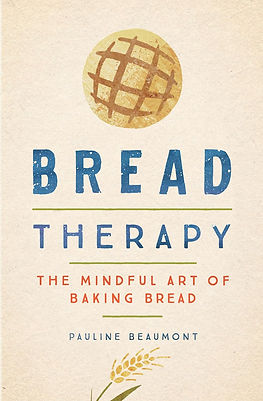
Bread Therapy: The Mindful Art of Baking Bread
Bread Therapy is a self-help book that celebrates baking bread; a practice that not only produces delicious loaves, but also improves mental health and wellbeing. As the world feels ever more dangerous and unreliable, there is something soothing and grounding about basic human activities such as baking.
Breadmaking provides an ideal opportunity to develop mindfulness skills by forcing you to concentrate on what you can see, hear, feel, and smell. Escape your mind and connect with your body by kneading a classic sourdough, or even just by tasting fresh bread straight out of the oven.
Featuring delicious recipes and how-tos that will inspire everyone from the bread baking beginner to a seasoned pro, this book is part guide, part cookbook, and the perfect gift for anyone that has discovered the joy of bread (or still needs to!). This delightful meditation on the intrinsic power of baking will fill your stomach and calm your mind.

Flow: The Psychology of Optimal Experience
Psychologist Mihaly Csikszentmihalyi's famous investigations of "optimal experience" have revealed that what makes an experience genuinely satisfying is a state of consciousness called flow. During flow, people typically experience deep enjoyment, creativity, and a total involvement with life. In this new edition of his groundbreaking classic work, Csikszentmihalyi demonstrates the ways this positive state can be controlled, not just left to chance. Flow: The Psychology of Optimal Experience teaches how, by ordering the information that enters our consciousness, we can discover true happiness and greatly improve the quality of our lives.

Mind Body Effect: How to Counteract the Harmful Effects of Stress
From the author of #1 bestseller The Relaxation Response comes a practical guide to how behavioral medicine can counteract the harmful effects of stress and help you regain control of your health.

Nourishing Wisdom: A Mind-Body Approach to Nutrition and Well-Being
Nourishing Wisdom revolutionizes the way we think about diets and nutrition. This book will change your attitude towards your body, and provide a foundation for developing a healthful relationship with food. Combining the principles of nutritional awareness, personal growth, and body psychology, Nourishing Wisdom provides practical methods for redefining the role food plays in our lives.
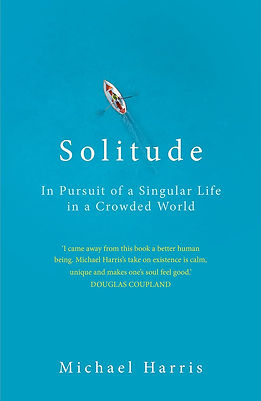
Solitude: In Pursuit of a Singular Life in a Crowded World
The capacity to be alone--properly alone--is one of life's subtlest skills. Real solitude is a contented and productive state that garners tangible rewards: it allows us to reflect and recharge, improving our relationships with ourselves and, paradoxically, with others. Today, the zeitgeist embraces sharing like never before. Fueled by our dependence on online and social media, we have created an ecosystem of obsessive distraction that dangerously undervalues solitude. Many of us now lead lives of strangely crowded loneliness--we are ever-connected, but only shallowly so.

Tao Te Ching
In eighty-one brief chapters, Lao-tzu's Tao Te Ching, or Book of the Way, provides advice that imparts balance and perspective, a serene and generous spirit, and teaches us how to work for the good with the effortless skill that comes from being in accord with the Tao—the basic principle of the universe.

The Balance Within: The Science Connecting Health and Emotions
In this beautifully written book, Dr. Esther Sternberg, whose discoveries were pivotal in helping to solve this mystery, provides first hand accounts of the breakthrough experiments that revealed the physical mechanisms - the nerves, cells, and hormones - used by the brain and immune system to communicate with each other. She describes just how stress can make us more susceptible to all types of illnesses, and how the immune system can alter our moods. Finally, she explains how our understanding of these connections in scientific terms is helping to answer such crucial questions as "Does stress make you sick?" "Is a positive outlook the key to better health?" and "How do our personal relationships, work, and other aspects of our lives affect our health?"

The Fourfold Path to Healing: Working with the Laws of Nutrition, Therapeutics, Movement and Meditation in the Art of Medicine
The Fourfold Path to Healing merges the wisdom of traditional societies, the most modern findings of western medicine and the esoteric teaching of the ancients. The fourfold approach includes: Nutrition using nutrient-dense traditional foods; therapeutics through a wide range of nontoxic remedies; Movement to heal and strengthen the emotions; and medication to develop your powers of objective thought.

This Is Water: Some Thoughts, Delivered on a Significant Occasion, about Living a Compassionate Life
Only once did David Foster Wallace give a public talk on his views on life, during a commencement address given in 2005 at Kenyon College. The speech is reprinted for the first time in book form in This is Water. How does one keep from going through their comfortable, prosperous adult life unconsciously? How do we get ourselves out of the foreground of our thoughts and achieve compassion? The speech captures Wallace's electric intellect as well as his grace in attention to others. After his death, it became a treasured piece of writing reprinted in The Wall Street Journal and the London Times, commented on endlessly in blogs, and emailed from friend to friend.

Walden and Civil Disobedience
Critical of 19th-century America’s booming commercialism and industrialism, Henry David Thoreau moved to a small cabin in the woods of Concord, Massachusetts in 1845. Walden, the account of his stay near Walden Pond, conveys at once a naturalist’s wonder at the commonplace and a transcendentalist’s yearning for spiritual truth and self-reliance. But Thoreau's embrace of solitude and simplicity did not entail a withdrawal from social and political matters. Civil Disobedience, also included in this volume, expresses his antislavery and antiwar sentiments, and has influenced resistance movements worldwide. Both give rewarding insight into a free-minded, principled and idiosyncratic life.
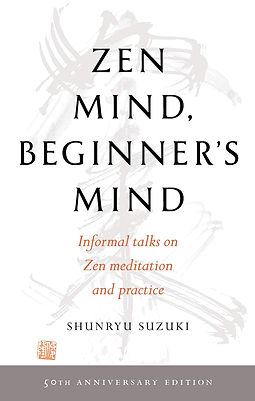
Zen Mind, Beginner's Mind
In the fifty years since its original publication, Zen Mind, Beginner's Mind has become one of the great modern spiritual classics, much beloved, much reread, and much recommended as the best first book to read on Zen. Suzuki Roshi presents the basics--from the details of posture and breathing in zazen to the perception of nonduality--in a way that is not only remarkably clear, but that also resonates with the joy of insight from the first to the last page.